
Published August 5, 2026
What Buyers Notice in the First 60 Seconds of a Home Tour and What Makes Them Walk Away

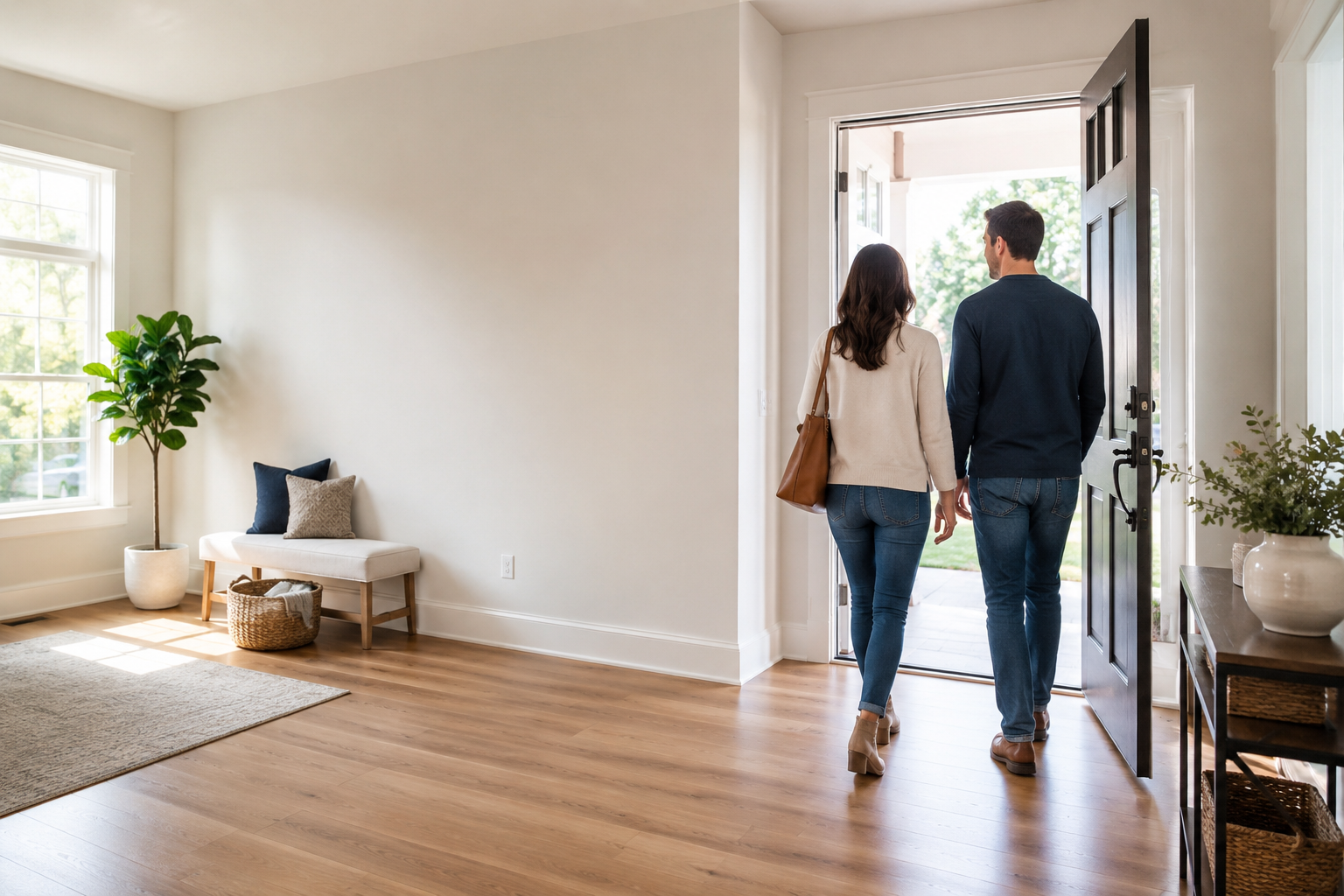
Buyers may spend 20 or 30 minutes walking through a home, but their first impression forms much faster.
Within the first minute, they are already deciding whether the home feels comfortable, well-maintained, and worth exploring - or whether something feels off.
That reaction is not always based on the size of the kitchen, the age of the roof, or the quality of the countertops. Often, it comes from smaller details: the smell when the door opens, the temperature inside, the amount of natural light, or the condition of the entryway.
For sellers, this is good news. You do not necessarily need an expensive renovation to create a stronger showing. You need to understand what buyers notice first and remove the distractions that make them hesitate.
The Smell of the Home
Smell is one of the first things buyers notice, even when they do not consciously realize it.
Pet odors, smoke, mildew, cooking smells, and heavily scented air fresheners can immediately change how a buyer feels about a property. Strong artificial fragrances can also make buyers wonder whether the seller is trying to cover something up.
A clean home should smell neutral.
Before a showing, empty the trash, clean pet areas, wash bedding, and avoid cooking foods with strong odors. Check closets, laundry rooms, bathrooms, and carpeted areas where smells can linger.
Opening the windows briefly, replacing air filters, and keeping the home clean usually works better than filling every room with candles or plug-in fragrances.
The Temperature Inside
During August in Texas, buyers notice the temperature immediately.
When someone walks in from the heat, a cool and comfortable home creates instant relief. A house that feels warm, humid, or stuffy can make the entire property feel less inviting.
It can also raise questions.
Buyers may begin wondering whether the air-conditioning system works properly, whether the home is expensive to cool, or whether certain rooms have poor airflow.
Before a showing, set the thermostat to a comfortable temperature and make sure ceiling fans are running where appropriate. If one room is consistently warmer than the others, have the issue checked rather than hoping buyers will not notice.
Comfort affects how long buyers stay. The longer they feel comfortable, the more likely they are to slow down and pay attention to the home’s best features.
Lighting Changes the Way a Home Feels
Dark rooms often feel smaller than they are.
Before buyers arrive, open the blinds, pull back the curtains, and turn on the lights throughout the home. Do not make buyers search for switches or walk into dim hallways and shadowed rooms.
Replace burned-out bulbs and make sure the lighting is consistent. A mix of bright white and warm yellow bulbs can make a room feel uneven and distracting.
Pay particular attention to the kitchen, bathrooms, entryway, and main living area. These are the spaces where buyers tend to form their strongest impressions.
Better lighting does not hide problems, but it helps the home feel more open, clean, and welcoming.
Clutter Makes Buyers Work Too Hard
Buyers are not just looking at your furniture and belongings. They are trying to imagine their own life inside the home.
When countertops are crowded, closets are overflowing, and every wall is covered, buyers have to work harder to see the space itself.
Clutter can also make buyers assume the home does not have enough storage.
Start with the surfaces buyers see first. Clear the kitchen counters, bathroom vanities, dining table, entryway, and living room. Remove oversized furniture that blocks walkways or makes rooms feel smaller.
You do not need to remove every personal item. The goal is not to make the home feel empty. The goal is to make each room easy to understand.
Buyers should immediately know what the room is, how it functions, and how much space it provides.
The Entryway Sets the Tone
The front door and entryway are more important than many sellers realize.
Buyers often spend several moments standing near the entrance while the agent unlocks the door. During that time, they notice peeling paint, cobwebs, worn hardware, dirty windows, damaged trim, and overgrown landscaping.
Once they step inside, the first visible room either supports a positive impression or weakens it.
Clean the front door, sweep the porch, remove dead plants, replace damaged welcome mats, and make sure the lock works smoothly. Inside, keep the entryway simple and open.
A difficult lock, squeaky door, or crowded entrance may seem minor, but these details can make the home feel neglected before the tour even begins.
Small Warning Signs Create Bigger Concerns
Buyers do not always know the cause of a problem, so they often assume the worst.
A stain on the ceiling may be from an old leak that has already been repaired, but buyers may see possible roof or plumbing damage. A sticking door may be harmless, but it can raise concerns about the foundation. Cracked caulk, loose handles, dripping faucets, or damaged trim can make buyers question how well the rest of the home has been maintained.
Individually, these issues may be inexpensive to fix. Together, they create a pattern.
Walk through the home as though you are seeing it for the first time. Look for anything that appears broken, unfinished, stained, loose, or neglected.
If a visible issue has already been repaired, finish the cosmetic work as well. Do not leave water stains, patched drywall, or incomplete paint touch-ups for buyers to interpret on their own.
What Sellers Often Overthink
Sellers sometimes spend time and money on improvements that matter less than they expect.
Buyers are unlikely to reject a well-presented home because the cabinet hardware is not the newest style or because the guest bedroom paint color is slightly outdated.
They are more likely to react negatively to poor cleanliness, unpleasant odors, visible damage, dark rooms, uncomfortable temperatures, and signs of deferred maintenance.
Before replacing countertops or remodeling a bathroom, ask whether the home is clean, bright, comfortable, uncluttered, and in good repair.
Those basics usually have a greater effect on the showing experience than trendy finishes.
Improvements That Do Not Require a Major Renovation
A few simple changes can make a noticeable difference:
Clean the windows and mirrors so the home feels brighter.
Touch up chipped or heavily marked paint.
Replace burned-out light bulbs.
Repair loose handles, dripping faucets, and sticking doors.
Remove excess furniture and personal items.
Freshen the front porch and landscaping.
Clean carpets, baseboards, appliances, and ceiling fans.
Make sure every room has a clear purpose.
These improvements may not appear on a property description, but buyers feel the difference when they walk through the door.
Make the First Minute Work in Your Favor
Buyers do not expect every home to be perfect. They do expect it to feel cared for.
The first 60 seconds of a showing can influence how buyers view everything that follows. A positive first impression makes them more willing to overlook minor imperfections. A negative one makes them search for additional problems.
Before putting your home on the market, focus on the experience buyers will have when they arrive. Make the entrance welcoming, the temperature comfortable, the rooms bright, and the home easy to move through.
You may not need a major renovation. You may simply need to remove the small distractions that prevent buyers from seeing the value already there.
Thinking about selling your home? The right preparation can help you focus your time and money on the improvements that matter most to buyers. Contact Wimberly Group Real Estate Advisors to create a practical plan for getting your home market-ready.

Amber Wimberly
| Wimberly Group Real Estate | Keller Williams Lonestar DFW
or another way